Science
Unmet Medical Needs (UMNs)
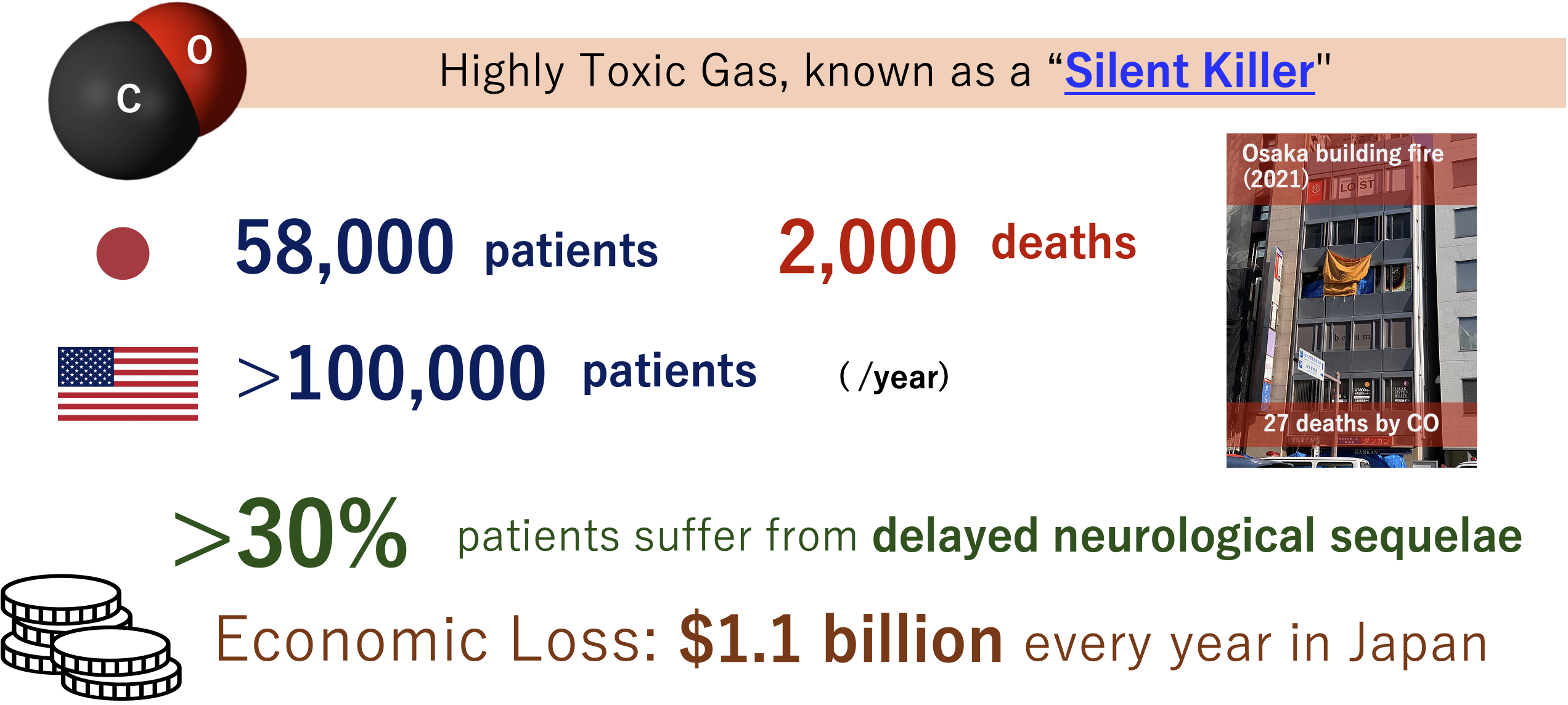
Carbon monoxide (CO) is an acutely toxic gas known as the “Silent Killer,” generated daily by fires and incomplete combustion. Approximately 58,000 patients per year are reported in Japan and over 100,000 in the United States, with an estimated economic burden of USD 1.1 billion annually in Japan alone. Moreover, approximately 30% of CO poisoning survivors develop serious sequelae such as delayed neuropsychiatric syndrome (DNS), causing long-term deterioration in quality of life.
Currently, no direct CO-neutralizing antidote exists; the only established treatment is hyperbaric oxygen therapy (HBOT). HBOT requires large equipment available only at advanced medical facilities, and is limited to conscious patients without burns. Patients with concomitant burns are restricted to less effective normobaric oxygen therapy (NBO). These constraints prevent prompt medical intervention at fire scenes or during transport.
Accordingly, development of an effective, field-deployable CO antidote that also prevents sequelae represents a critical unmet medical need worldwide.
Our Solution
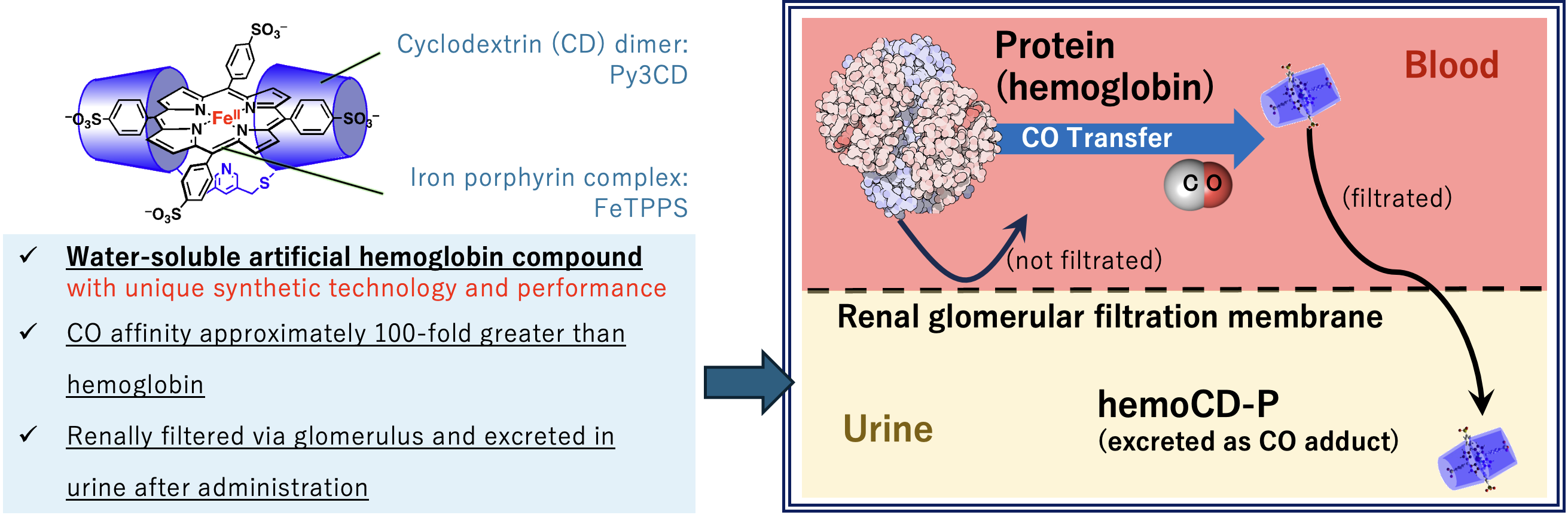
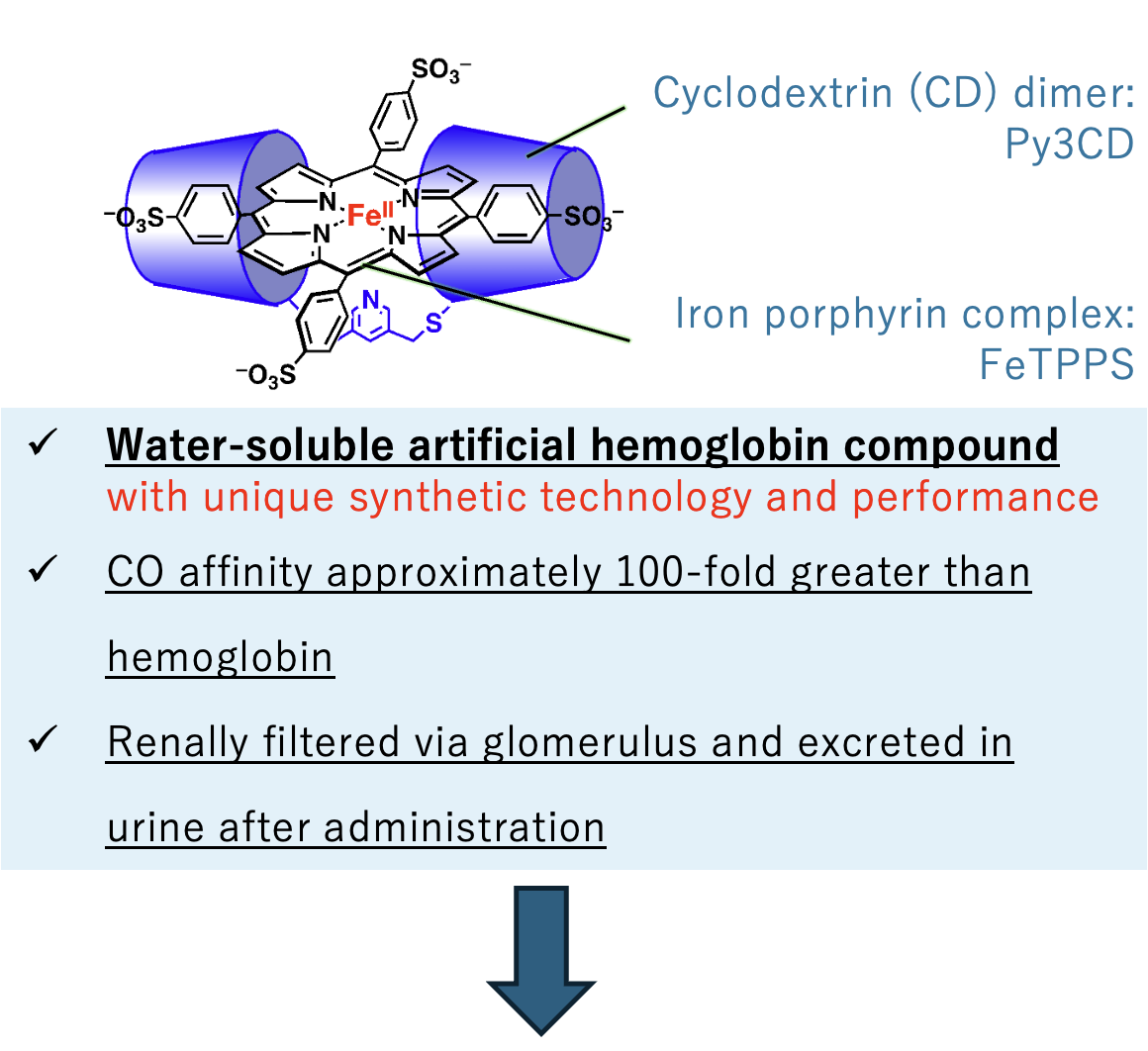
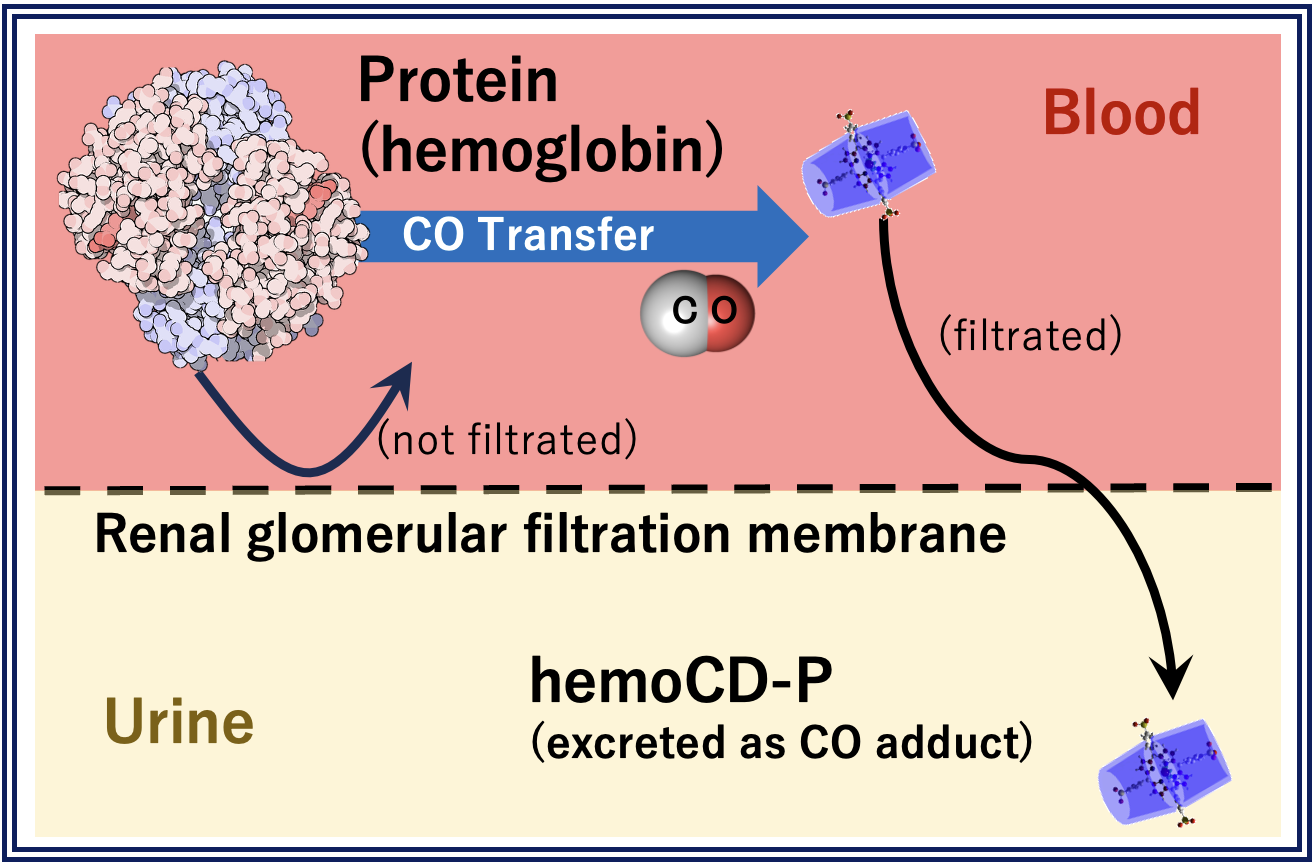
hemoCD, developed at Doshisha University, is a water-soluble artificial hemoglobin compound that functions stably in aqueous media. With CO affinity approximately 100-fold greater than hemoglobin, it rapidly captures CO from the blood following intravenous administration and excretes it renally as the CO adduct. This process promptly restores oxygen-carrying capacity and is expected to provide direct antidotal efficacy.
Preclinical Evidence
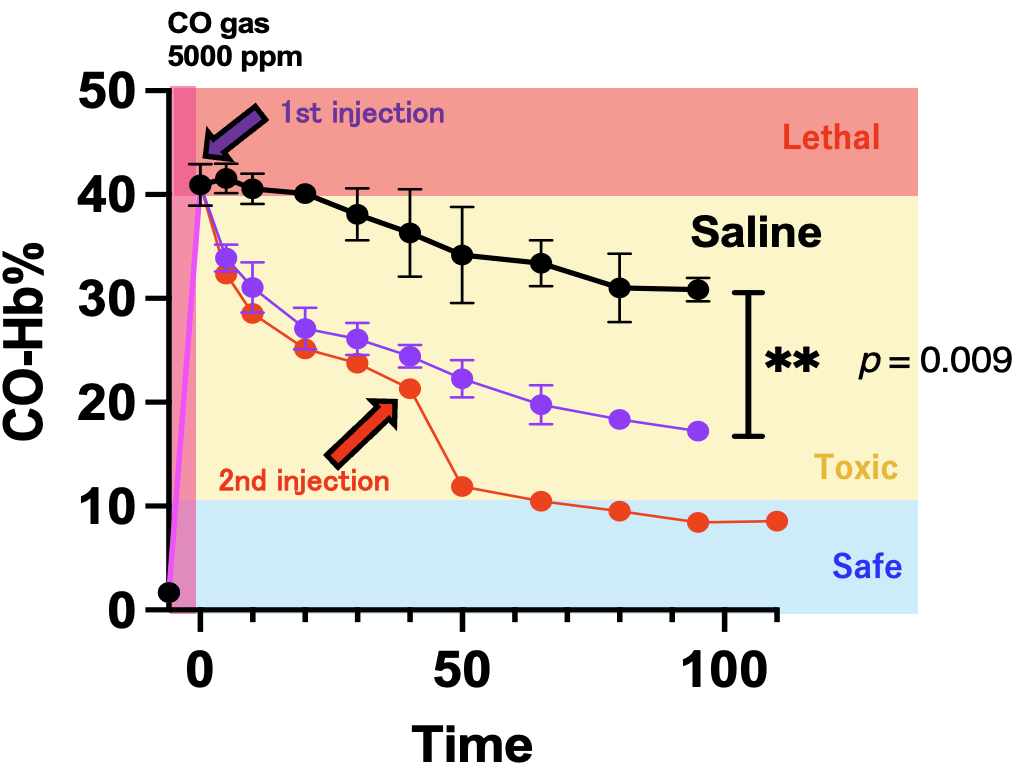
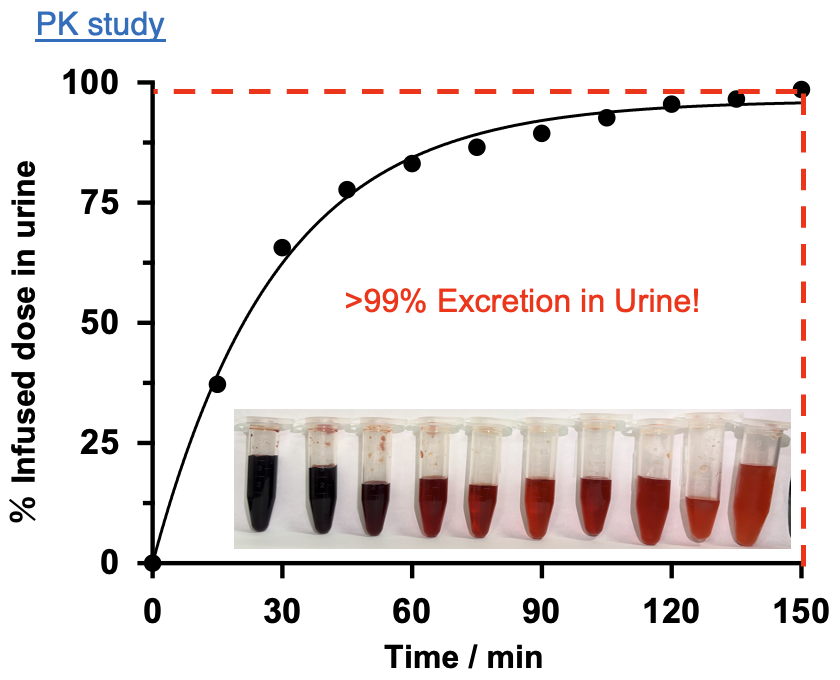
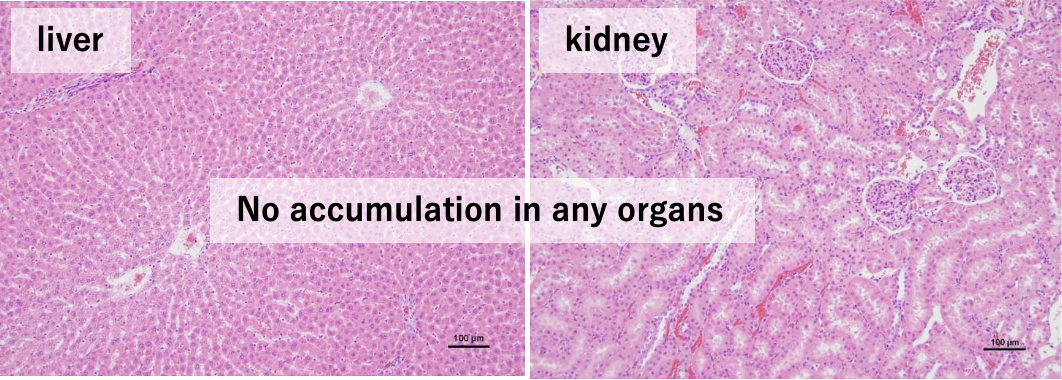
In murine and rat models, hemoCD rapidly and markedly reduced carboxyhemoglobin (CO-Hb%) in the blood. More than 99% of administered hemoCD was excreted in urine within a short period, with no organ accumulation observed, demonstrating high safety potential.

Neuroprotection Against Delayed Brain-dysfunction
In a murine model of CO poisoning sequelae (delayed neuropsychiatric syndrome), hemoCD administration significantly suppressed dopaminergic neuronal death. Mitochondrial complex IV activity in the brain, which had been markedly reduced, was notably restored. These findings indicate that hemoCD may contribute not only to acute-phase treatment but also to prevention of long-term neurological sequelae.
Product Concept
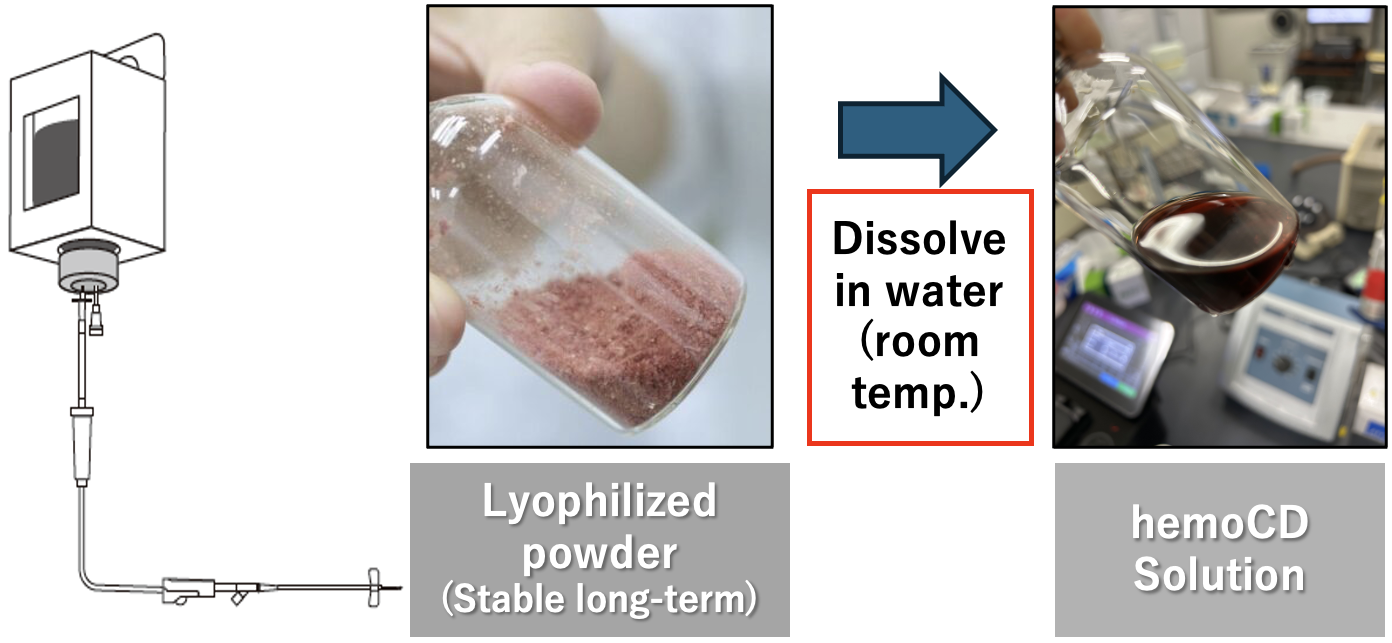
hemoCD is a low-molecular-weight compound synthesizable at scale with relatively low cost, achieving long-term stability via lyophilization. At the point of care, it is reconstituted in water for injection and administered intravenously as a ready-to-use CO antidote.
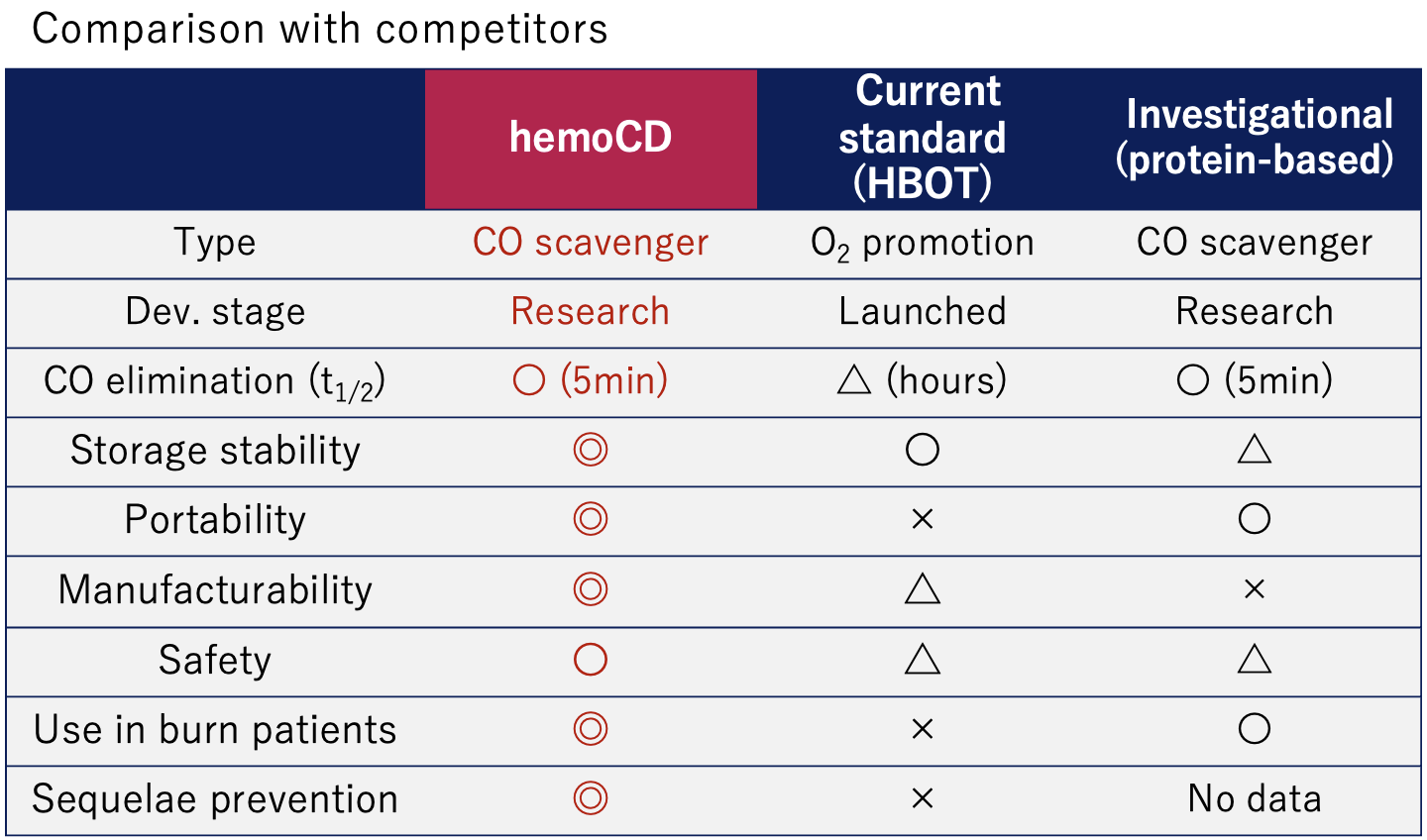
Unlike HBOT, which requires large equipment unavailable in field or transport settings, hemoCD is far superior in portability, speed of action, and ease of administration. Compared with protein-based investigational antidotes, it offers significant advantages in manufacturing scalability, storage stability, and safety.